

You sign up for one free trial here, a streaming service there, and suddenly you’ve got a dozen tiny charges hitting your bank account every month. Each one seems small—$9.99 for this, $6.99 for that. No big deal, right? Until you check your statement and realize those little fees are quietly draining your budget.
Welcome to the era of subscription overload. From TV and music to meal kits, fitness apps, and even toothbrush deliveries, everything is a subscription now. And while it all feels super convenient, it can seriously mess with your finances if you’re not paying attention.
The Sneaky Nature of Auto-Pay
One of the biggest traps with subscriptions is that they’re designed to be forgettable. Companies want you to sign up and stop thinking about it. Thanks to auto-pay, money quietly leaves your account each month without you having to lift a finger—or even remember the service exists. That means you could be paying for things you haven’t used in months, all because you never hit “cancel.”

Death by a Thousand Cuts
It’s easy to shrug off a $5 or $10 subscription as “no big deal,” but those small charges add up quickly. If you’ve got ten services charging $10 each per month, that’s $100 gone before you even buy groceries. The danger isn’t one big expense—it’s the slow drip of tiny ones that fly under the radar. And when they’re scattered across different platforms and billing dates, it’s even harder to track how much you’re spending.
You’re Paying for Convenience—But at What Cost?
Subscriptions are all about convenience. Unlimited access, one-click ordering, on-demand everything. But convenience can be a trap. Just because a service makes life easier doesn’t mean it’s worth it—especially if you’re not using it regularly. That fitness app you swore you’d use? That streaming platform with one show you already watched? If they’re not adding real value to your life, they’re just quietly draining your cash.
Trials That Turn Into Long-Term Commitments
Free trials are marketing gold—and budgeting nightmares. You sign up to test a service, set a reminder to cancel, and then life happens. Next thing you know, you’re three months in, paying for something you never meant to keep. Subscription services bank on you forgetting to cancel or deciding it’s not worth the effort. Being more mindful at the sign-up stage can save you serious money later.
How to Regain Control of Your Subscriptions
The good news? You can take back control. Start by going through your bank or credit card statements and making a list of every recurring charge. Then ask yourself: Do I still use this? Do I still need this? Am I getting enough value to justify the cost? Even cutting just a few underused subscriptions can free up money in your budget—and make your finances feel a whole lot lighter. Subscription services aren’t evil. Many of them are useful, fun, or even necessary. But when you stop noticing how much they’re costing you, they go from convenient to costly—fast. Taking a few minutes to audit your subscriptions can lead to surprising savings and help you spend more intentionally. So go ahead, and unsubscribe from that random meditation app you forgot about. Your budget will thank you—and so will your brain.…







 When applying for a loan with bad credit, it can be beneficial to explore secured
 A successful quant trader must have a strong understanding of financial markets and how they work. This includes knowledge of various market participants, instruments, and market dynamics. This is important to develop a successful trading strategy. In addition, it is essential to have a good understanding of computer programming and quantitative analysis techniques. Many successful quant traders have mathematics, physics, or engineering background.
 made easier in this digital age. This is because you can access loans online through your phone. There are several online lending platforms you can reach out to for such loans. They have reduced the inconvenience of walking to banks and other financial institutions to apply for loans. The good thing about most
  You should look into the interest rates and fees charged by
  Another essential quality to consider when looking for a lender. Companies with a poor reputation are some you should avoid completely. Take your time to understand the history and values of a specific lender better. How they deal with their customers can help you understand this. Choosing a highly reputable lender will guarantee you a smooth time when dealing with them.…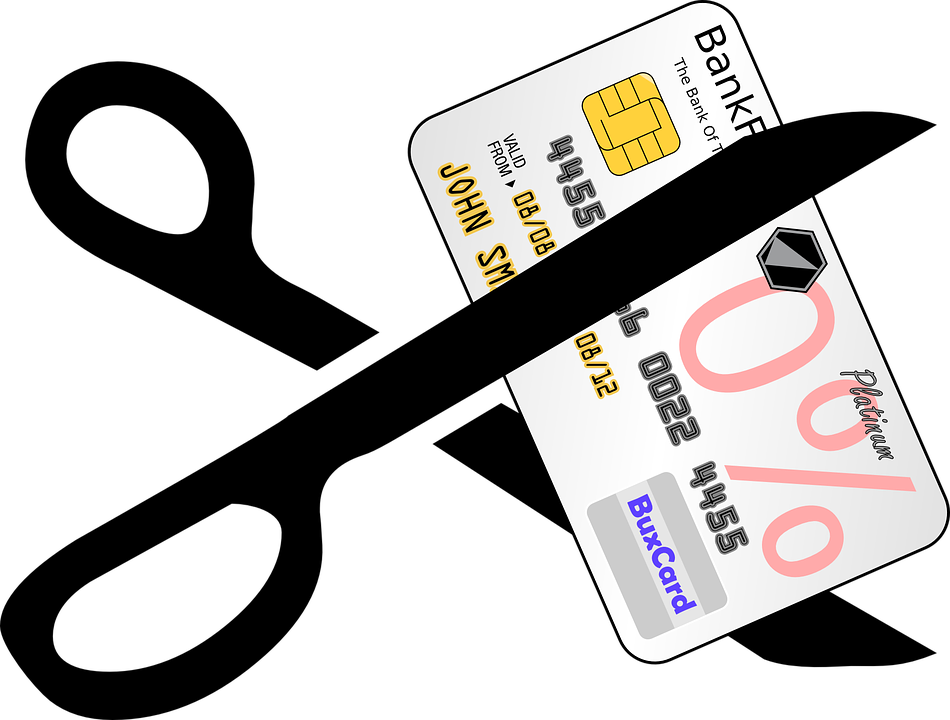
 One bill that can have a nasty shock is the tax bill. When it comes to paying your tax, you have a lot of options. You can apply for automated and online payment plans, or discuss with IRA on a
  Most people borrow money to buy a house. The truth is that a home loan can save you a lot of dollars. That makes it the biggest financial responsibility that can last many years. Also, it is a good idea to consider the interest charges that can be applied over the lifetime of the loan. Financial discipline is vital when you take a home loan. There are some steps that can help you pay down the debt, such as checking the rates and making extra payments whenever required.
 If you are working, you should consider saving your money for retirement. Ensure you put your retirement savings into the portfolio of investments like bonds, stocks, real estate, mutual funds, precious metals, and businesses. At the retirement age, you can enjoy off the funds you get from these investments. Based on your tolerance risk, it is a good idea to be riskier at a younger age with investments. A high risk increases your chances of getting greater wealth. Also, it allows you to become conservative with your investments as you grow older and become wise.